 Add Row
 Add
Add 


Did you know that nearly every major highway across Greenville County—including Main Street—traces the routes of ancient Cherokee trading paths, carved into the Upstate landscape centuries before settlers arrived? The roads we travel, the rivers we enjoy, and the place names we cherish in modern Greenville County all echo an ancient story. This story—often overlooked—intertwines with every step, offering both locals and newcomers an opportunity to rediscover the layers beneath our feet. This article delves into the foundation of place in Upstate South Carolina, revealing how the enduring presence of Cherokee history still shapes the region’s community, identity, and natural flow.
What You'll Learn About Cherokee History Upstate SC and Greenville Native American History
Gain insight into the enduring significance of cherokee history upstate sc for local identity
Recognize the deep connections between modern Greenville County spaces and historic Cherokee settlement patterns
Discover where and how to experience this heritage today, including museums, trails, and preserved lands in South Carolina
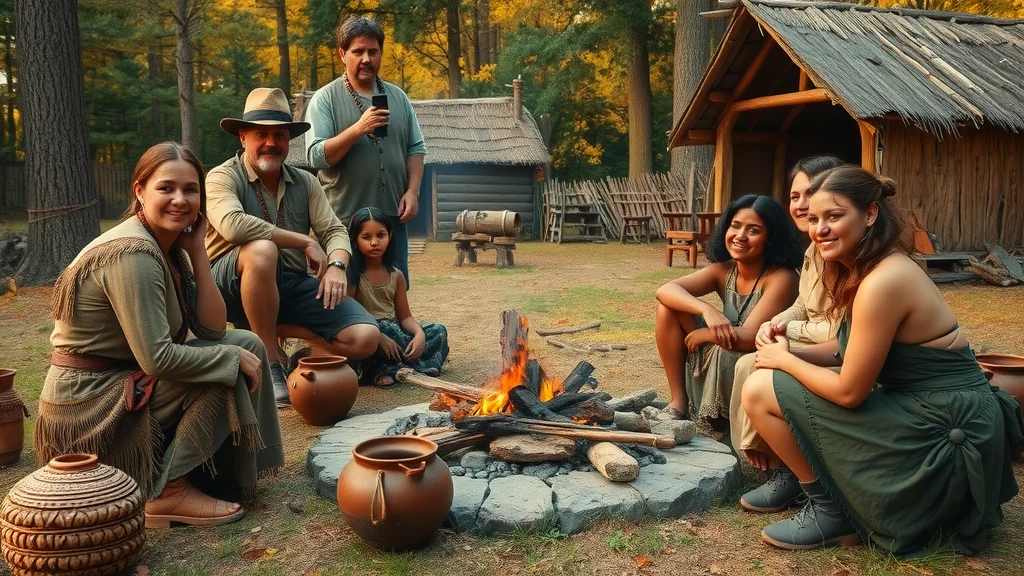
A Startling Legacy: Uncovering Cherokee History Upstate SC
Did you know that almost every major highway in Greenville County traces ancient Cherokee trading paths?
Why Cherokee History Upstate SC Still Shapes Greenville Today
Understanding Cherokee history upstate SC is more than an academic exercise—it's central to Greenville’s sense of place. Long before the city’s iconic Main Street bustled with shops and restaurants, the Cherokee people established networks of trails, villages, and trade centered around the natural arteries of the region—especially the Reedy River. These ancient paths became the road map for later European settlement, influencing the layout of both urban and rural spaces in Greenville County. Even today, if you follow the gentle curves of the Reedy River or stroll along the Swamp Rabbit Trail, you’re echoing routes carved out hundreds of years ago by these native peoples.
Cherokee influence in the Greenville area can still be felt in the continuity of community gatherings, local festivals, and names embedded in the environment—from Reedy River Falls to the street signs that honor native heritage. This connection to the land is not a relic of the past but a living, breathing aspect of local culture. Locals take pride in knowing their home is shaped by layers of history, and newcomers quickly sense an underlying rootedness that sets Greenville apart from other rapidly growing cities.
For those interested in how the region’s infrastructure and daily life continue to reflect these deep-rooted traditions, exploring the evolution of local building practices and community planning can offer further perspective. You can find more on how historical influences shape modern living in the Upstate by visiting this guide to Greenville’s approach to home and neighborhood development.
Historical Context: Cherokee in South Carolina Before Greenville
Mapping Native American and Southern Iroquois Settlement Patterns
Long before Greenville County was founded, the region was the domain of the Cherokee people—one of the most influential Native American groups in the Southeast. Their ancestors, the Southern Iroquois, migrated southward and established deep roots in what is now Upstate South Carolina and across the southern Appalachian foothills. The Reedy River and the surrounding network of waterways, such as River Falls, provided fertile hunting grounds, travel corridors, and essential resources for thriving communities. Unlike the hard borders of modern counties, the Cherokee saw the land as interconnected. Their settlements—known as lower towns—were built along these rivers, forming the heart of their economic and social life.
Natural landmarks steered Cherokee settlements and trade, with the Reedy River acting as more than just a scenic backdrop; it was a lifeblood of commerce and tradition. Early treaties and maps (often produced during clashes with European settlers) detail vast Cherokee territories stretching across current Greenville, Oconee, and Pickens counties and into North Carolina and Tennessee. Even after tumultuous encounters with British settlers and figures like Richard Pearis, the Cherokee footprint on these lands persisted, shaping the contours of what would become the city of Greenville.
The role of the Reedy River and natural landmarks in Cherokee society

Southern Iroquois origins and influence in upstate SC
Early maps and treaties: The land before Greenville County
"The Reedy River was no border. It was a thoroughfare for Cherokee tradition and trade." – Local Historian
Key Sites of Cherokee History Upstate SC: Where the Land Remembers
Museum of the Cherokee in South Carolina: Artifacts and interpretation bring the history of the Cherokee people to life, highlighting pottery, arrowheads, and everyday objects that shaped Upstate culture.
Historic Cherokee trails: Many Greenville County roads—including sections of Main Street—mirror ancient paths once used for trade and travel between villages and hunting grounds.
Reedy River: This ancient waterway served as both physical and cultural connection for generations and remains a living testament to the Cherokee presence in the region.
Preserved mounds, springs, and archaeological sites: These quietly enduring places invite reflection and a direct engagement with Upstate’s Indigenous heritage.
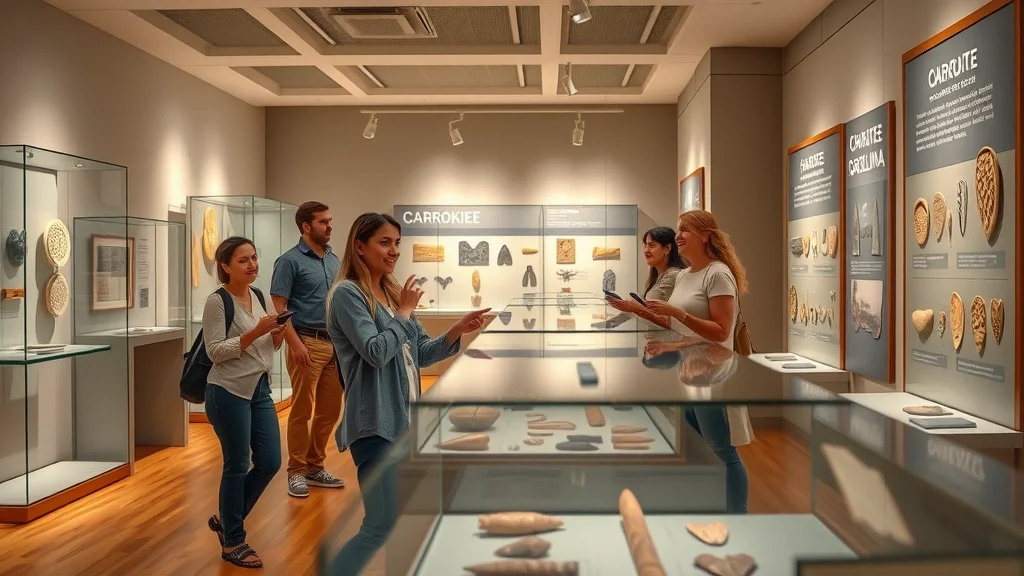
"Walk any bike trail along the Reedy, and you're following a Cherokee route." – Museum of the Cherokee staff member
How Native American Heritage Flows Through Modern Greenville
Everyday Encounters: Street Names, Parks, and Hidden Stories
Cherokee history isn’t confined to museums or academic texts—it flows into daily life throughout Greenville County. Take a moment as you walk or cycle along a modern greenway. The very names on street signs—often derived from Cherokee words or referencing tribal leaders—tell silent stories of the land’s inheritance. Parks and preserved spaces honor native connections; look closely and you'll see markers interpretting these layers for visitors and residents alike. Neighborhoods built along the Reedy River or within the shadow of old mounds connect today’s city to a centuries-old network of community and culture.
The Museum of the Cherokee in South Carolina acts as both a hub for preserving and teaching native heritage and as a community gathering point. Each year, educational programs and festivals celebrate Greenville’s Native American history, drawing people from across South Carolina and North Carolina to experience dance, music, and oral tradition that span generations. Outdoor enthusiasts discover ancient earth beneath their feet on familiar trails, while local schools—backed by Furman University, Clemson University, and other partners—expand curriculum on Cherokee and Native American heritage, ensuring that new generations appreciate this vital foundation.
Cherokee names in local geography

Annual events and educational programs at the Museum of the Cherokee
Outdoor recreation on former Cherokee lands
Table: Native American and Cherokee Place Names in Greenville County and South Carolina
Place Name |
Type |
Origin/Meaning |
|---|---|---|
Reedy River |
River |
Named for reeds abundant on its banks, central to Cherokee trade and travel |
Saluda |
River/County |
Derived from Cherokee “Corn River” or native term for “place of main corn” |
Seneca |
Town/River |
Comes from “Issaquena,” a Cherokee trading village |
Oconee |
County |
From Cherokee meaning “land beside the water” |
Enoree |
River |
Believed to mean “river of muscadines” in Cherokee |
Wadmalaw |
Island |
Cherokee or Catawba roots, referencing local tribal presence |
Tugaloo |
River |
Named after a major Cherokee settlement |
Chauga |
River |
Cherokee meaning “place of the fish” |
Brevard |
Street (Greenville) |
Honors French trader and Cherokee ally |
Lists: Top Ways to Experience Cherokee History Upstate SC Today
Tour the Museum of the Cherokee in South Carolina to view authentic artifacts and interactive exhibits about Cherokee history upstate SC
Walk or cycle regional trails like the Swamp Rabbit Trail, which feature markers on historic Cherokee routes
Attend cultural festivals and powwows that celebrate Greenville’s Native American and Cherokee heritage
Join interpretive walks or talks with local historians, where you’ll discover hidden layers beneath modern cityscapes and parks
Explore outdoor sites along the Reedy River and seek out preserved mounds or archeological sites quietly maintained in the Upstate

Opinion: Why Cherokee History Upstate SC Matters for Locals and Newcomers
"Our sense of place in Greenville is deeper than any map or deed." – Op-Ed Author
The continuity of Cherokee heritage explains the strong sense of community and shared pride throughout Greenville County
Embracing both visible and invisible layers of history allows residents and newcomers to find deeper meaning and belonging in the landscape

People Also Ask About Cherokee History Upstate SC and Greenville Native American History
What Native American tribe lived in Greenville, SC?
Answer: The Cherokee were the primary Native American tribe living throughout present-day Greenville County, forming the heart of what is now known as cherokee history upstate sc.
Where did the Cherokee live in South Carolina?
Answer: The Cherokee inhabited a vast network of villages in the western and upstate regions of South Carolina, especially along rivers and trails that passed through what is today Greenville County and surrounding areas.
What are the last names of the Cherokee people in South Carolina?
Answer: Common last names among Cherokee descendants in South Carolina include Walkingstick, Squirrel, Bigfeather, and other names reflecting both English translations and Cherokee origins.
What color eyes do Cherokee have?
Answer: Cherokee eye color varies widely, but deep brown is historically most common, with some variation due to intermarriage and genetic diversity over time.
FAQs on Cherokee History Upstate SC and Greenville Native American Heritage
How can I visit active preservation sites related to Cherokee history upstate SC? Many sites—such as the Museum of the Cherokee, preserved mounds near the Reedy River, and regional trails—are open to the public. Visit the museum’s website or the City of Greenville’s historic resources page for maps and entry details.
Are there school programs in Greenville teaching Native American and Cherokee history? Yes. Greenville County schools, often in partnership with Furman University and Clemson University, offer curriculum units and field trips focused on South Carolina Native American history and Cherokee culture.
Can you trace family ancestry back to Cherokee roots in South Carolina today? Absolutely; interested families can explore local archives, DNA ancestry services, or reach out to the Museum of the Cherokee for support in researching ancestral connections.
Key Takeaways: Rediscovering Cherokee History Upstate SC in Greenville Today
Modern Greenville County’s identity is deeply interwoven with Cherokee and Native American history
The Reedy River and ancient trails still shape how locals move and connect with the outdoors
Residents and newcomers alike can honor this legacy by exploring museums, trails, and preserved sites
A journey through greater Greenville: bicyclists and families tracing greenways layered over ancient Cherokee trails, showing how heritage shapes motion and memory.
Conclusion: Embracing the Cherokee Roots that Define Greenville’s Spirit
"To know Greenville is to walk with the Cherokee; their spirit shapes every step on this land." – Local Community Leader
Why this layered history is celebrated by residents and noticed by newcomers
How local pride and awareness of cherokee history upstate SC can foster a more inclusive, rooted Greenville
The deeper we dig into the roots of Greenville County, the more we uncover a proud, living legacy. By recognizing Cherokee contributions, locals and newcomers can better appreciate the vibrant, enduring spirit that shapes this region today.
If you’re inspired to keep uncovering the stories that make Greenville unique, there’s a wealth of local knowledge waiting to be explored. From the ways our neighborhoods are designed to the traditions that bring communities together, every aspect of Upstate life is shaped by a blend of history and innovation. For a broader look at how heritage and modern living intersect in Greenville, discover more insights and community stories at Greenville Upstate Life Media. Let your curiosity lead you to the next chapter in understanding what truly makes this region special.

Write A Comment