 Add Row
 Add
Add 


Did you know that nearly every block of downtown Greenville sits atop land once described as a “haven for wanderers and dreamers”? This unconventional fact isn’t just detail—it’s a clue to why Greenville, South Carolina, still buzzes with optimism, neighborliness, and innovation today. The story of Pleasantburg history and Greenville SC founding is more than a chapter from the past; it’s the beating heart of a city renowned for its friendliness, its booming downtown, and its sense of always moving forward, together.
Uncovering a Hidden Origin: Pleasantburg History’s Lasting Impact on Greenville, SC Founding
Pleasantburg history is woven into the very fabric of what is now Greenville, South Carolina—a fact most newcomers and even some locals tend to overlook. Before “Greenville" was on any South Carolina map, this frontier settlement stood at a crossroads of opportunity, nestled by the Reedy River. The early settlers’ vision, their willingness to welcome wanderers, and their dreams of community paved the way for Greenville’s successful emergence as a regional powerhouse. While city skylines, shopping malls, and technical colleges modernize the landscape, the character that fueled Greenville’s founding remains a living presence. In the city’s thriving neighborhoods, historic main street corridor, city-wide festivals, and the persisting optimism of its people, Pleasantburg’s essence is ever present—a reminder that a frontier mindset can shape not just a place, but a lasting way of life.
Did you know Pleasantburg’s earliest land deeds described it as a "haven for wanderers and dreamers"? This sense of openness still colors Greenville’s spirit today.
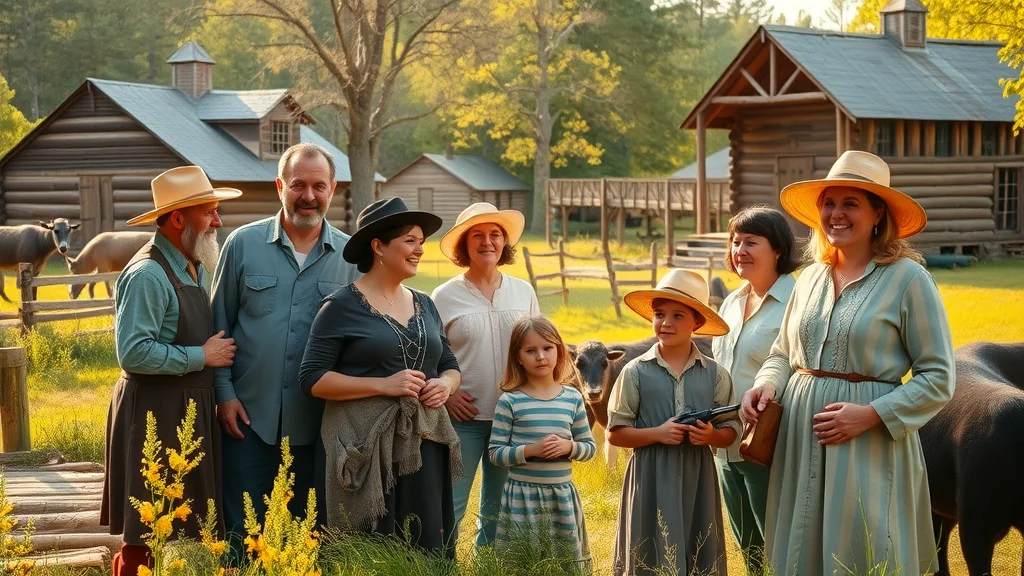
What You'll Learn About Pleasantburg History and Greenville SC Founding
If you’ve ever strolled downtown Greenville, SC, and felt a sense of connection that goes beyond brick and mortar, you’ve glimpsed Pleasantburg’s legacy in action. This origin story resonates with anyone drawn to Greenville’s ‘welcoming but intentional’ character. In this article, you’ll discover:
The roots of Pleasantburg and how it paved the way for Greenville County’s growth
Key turning points in Greenville, SC founding that shaped the city’s trajectory
How historic street layouts and buildings keep Pleasantburg history alive
Why the area’s optimism and friendliness still resonate
Where to find the story’s echoes in today’s Greenville

Pleasantburg History: The Timeline of Greenville, SC Founding
Understanding Pleasantburg’s transformation into Greenville offers a roadmap to the city’s spirit and its place in South Carolina history. Each era brought pivotal changes, but the focus on optimism, opportunity, and kindness never wavered. From its humble roots by the Reedy River to its present-day energy as a center for art, learning, and commerce, Greenville’s evolution is mapped out below:
Era |
Event |
Local Landmark or Impact |
|---|---|---|
Late 1700s |
Establishment of Pleasantburg |
Reedy River Falls |
Early 1800s |
Renaming to Greenville |
Main Street |
Mid 1800s |
Greenville County formed |
County Courthouse |
Post-Civil War |
Textile boom |
Historic mills |
20th Century |
Downtown revitalization |
Peace Center |

As you explore the transformation of Pleasantburg into modern Greenville, it's fascinating to see how the city's early focus on community and infrastructure continues to influence its neighborhoods and homes. For a closer look at how these historic values are reflected in the region’s architecture and property care, you might enjoy this guide on roofing and gutter essentials for Greenville homeowners, which highlights practical ways residents preserve both heritage and curb appeal.
Greenville County’s Role in the Pleasantburg History Narrative
How Greenville County’s Boundaries Emerged from Pleasantburg Roots
The modern map of Greenville County is no accident—its very boundaries grew from Pleasantburg’s earliest influence. The Reedy River lured pioneers seeking arable land and community, prompting settlements and resulting land grants. As trade routes between North Carolina and South Carolina became arteries for migration and commerce, Pleasantburg’s strategic location fostered connections. By the mid-1800s, this community-centric planning matured into the boundaries of Greenville County, blending rural opportunity with urban ambition. Vardry McBee, often called the “Father of Greenville,” played a pivotal role, donating land and shaping the county’s economic future. His vision mirrored the inclusive attitude that set Pleasantburg apart—a tradition that led to the establishment of the county courthouse, a crucial step in formalizing Greenville County and anchoring the region’s story within South Carolina’s broader tapestry.
From Trade Hub to Welcoming Community: The County’s Evolution
What once was a mere cluster of trading posts along the Reedy River and Main Street rapidly evolved into a dynamic nucleus for textile mills, commerce, and education. By the turn of the 20th century, Greenville County had attracted notable institutions like Furman University and the Greenville County Museum of Art, both emblematic of the ambition imbued by the city’s Pleasantburg origins. Industry transformed the county’s fortunes: legendary cotton mills and textile mills not only supported the local economy but also brought in waves of new families, drawn by the promise of work and a better life. The city’s openness created a melting pot, setting Greenville apart from neighboring southern towns. Even as Greenville expanded—welcoming air bases during World War II and fostering a technical college system—the values set down by its founders continued to flourish. In today’s interconnected city, you can still feel the thread of Pleasantburg’s roots, binding together generations of Greenvillians and newcomers with a sense of purpose and unity.
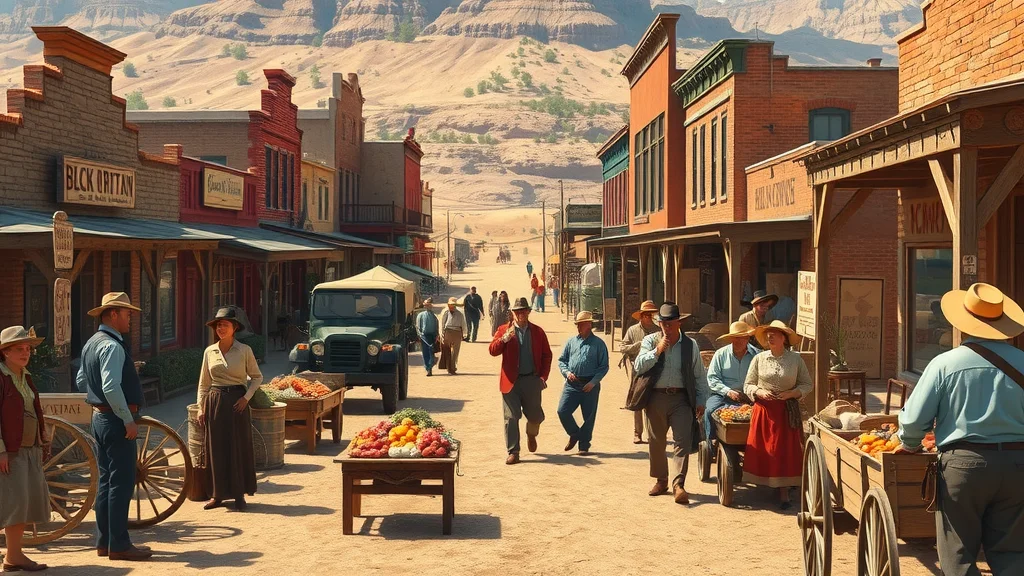
Why Greenville, SC Founding Still Shapes Its Welcoming Reputation
From the earliest days, Pleasantburg’s settlers believed in cultivating not just crops but community—an attitude that remains evident every time you stroll down Main Street or strike up a conversation in downtown Greenville. The city’s founding wasn’t just about surviving on the frontier; it was about thriving together and building a place where neighbors mattered. This welcoming reputation is Greenville’s most enduring export, coloring everything from street festivals to the booming local arts scene at the County Museum of Art. Even as modern amenities and attractions have emerged, Greenville’s DNA remains easily recognizable thanks to Pleasantburg’s history. The area’s motto could have easily been, “All are welcome—bring your dreams. ” This legacy is why the city still stands out in South Carolina and continues to attract people seeking genuine connection and new opportunity.
‘Even newcomers sense the open-hearted energy that’s part of Pleasantburg history—Greenville hasn’t lost that pioneering warmth.’
Walking Through Pleasantburg History: Places Locals (and Realtors) Show Off
For those eager to see pleasantburg history in action, Greenville is brimming with reminders—some grand, some subtle, but all deeply woven into the city’s character. When showing newcomers around, realtors and lifelong locals alike point to these beloved stops as proof that Greenville’s story is more than legend; it’s a living, walkable experience. Whether you explore the west end or peek into the city’s historic neighborhoods, you’ll find testaments to those who dreamed big on South Carolina’s edge:
Historic West End
Main Street’s original plots
Shoeless Joe Jackson’s house
County Courthouse steps
Homes in oldest Greenville neighborhoods
The old mill districts
Pleasantburg History in Today’s Greenville: Echoes of the Founding Era
Downtown’s Street Grid: Laid by Early Visionaries
The unmistakable grid of downtown Greenville isn’t accidental; it’s a thoughtful product of planning and optimism that stretches back to the Pleasantburg era. These streets—many still present in their original placements—were mapped by pioneers with an eye toward growth. Today, walking in the heart of the city or pausing by the county courthouse, one can retrace the steps of those early planners. Main Street serves as the city’s backbone—not just geographically, but culturally, too. The fusion of cobblestone and modern shops ties past to present, while the city’s ability to seamlessly host festivals, markets, and parades all owe something to the far-sighted grid that continues to unite the community. In downtown Greenville, the legacy of those visionaries—who cared as much for connection as for commerce—remains a powerful presence.
Preserved Buildings with Frontier Stories
Beyond the grid, downtown greenville is home to countless preserved buildings that once stood at the cutting edge of Southern progress. Former cotton mill headquarters, stately Victorian homes, and restored storefronts are physical reminders of how Pleasantburg’s first settlers—later Greenvillians—built for durability, beauty, and inclusion. The Shoeless Joe Jackson house, the old mill district relics, and even the courthouse steps all continue to host the stories, struggles, and triumphs of generations. Many of these historic properties now house the city’s best-loved restaurants, boutiques, and galleries, bridging the gap between tradition and modern vibrancy. Visiting them isn’t just a tourist experience; it’s a chance to inhabit the timeline of Greenville’s unfolding story, one brick at a time.
Modern Events Steeped in Pleasantburg Origins
Community gatherings—whether the Fall for Greenville festival, concerts at the Peace Center, or art exhibits at the Greenville County Museum of Art—are steeped in the communal spirit handed down from Pleasantburg days. Even today’s Fourth of July celebrations and food truck rallies echo the open invitation attitude that made the town’s founding distinct. These events don’t merely fill the calendar; they reinforce the optimism, inclusivity, and homegrown pride that began by the Reedy River falls. Greenville’s calendar is a modern-day love letter to its founding, reflecting how those first settlers set a tone of welcome that endures in celebratory, everyday moments.
Locals and Newcomers Alike: Why Pleasantburg History Makes Greenville Special
Why do families, entrepreneurs, artists, and retirees alike choose Greenville, South Carolina? The answer lies not just in economic opportunity but in the lasting community spirit that can be traced directly to Pleasantburg’s founding. Generations of Greenvillians have enjoyed a sense of belonging; new arrivals are drawn to the same optimism and connection that made the area a “haven for dreamers” centuries ago. Realtors are quick to point out that the city’s neighborhood-centric planning encourages lasting relationships and organic growth. In an era of fast development, Greenville’s ability to maintain its character is owed to these roots, manifest each day in porch-side conversations, block parties, and vibrant downtown life.
Sense of connection to a pioneering past
Community-centric planning
Optimism rooted in welcoming traditions

People Also Ask About Pleasantburg History and Greenville, SC Founding
What is the wealthiest neighborhood in Greenville, SC?
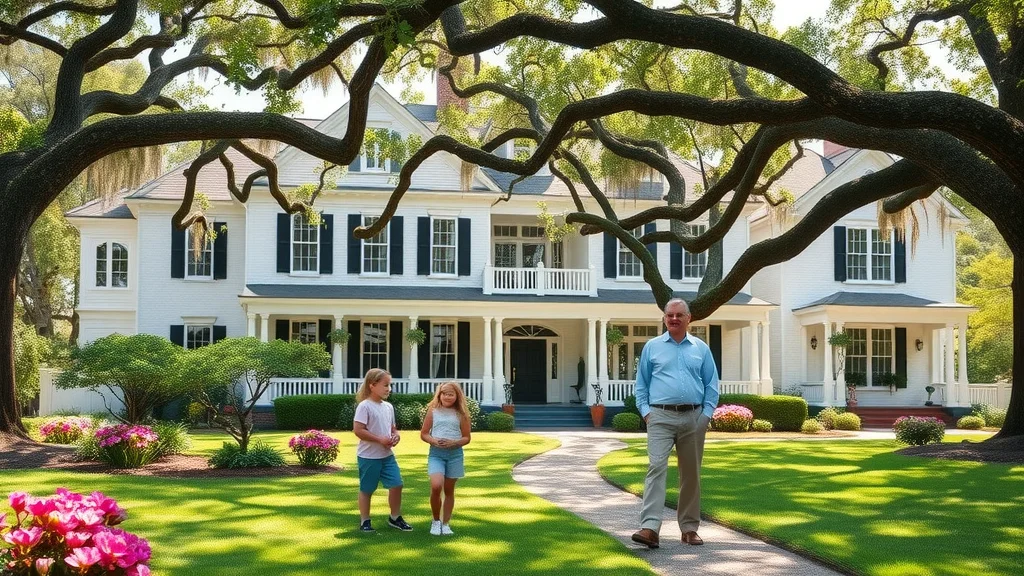
Among Greenville’s many historic and vibrant neighborhoods, North Main is widely considered the wealthiest. Known for its stately Southern colonial homes, tree-lined streets, and close proximity to downtown Greenville, North Main blends historic charm with modern amenities. Many families are attracted by its established community feel, beautiful parks, and access to top-rated schools in the Greenville County school district. The area has seen sustained investment in property, and its residents often contribute to Greenville’s ongoing civic and charitable initiatives, making it a sought-after place for both long-time locals and newcomers seeking a piece of Greenville’s rich legacy.
Who is the most famous person from Greenville, SC?
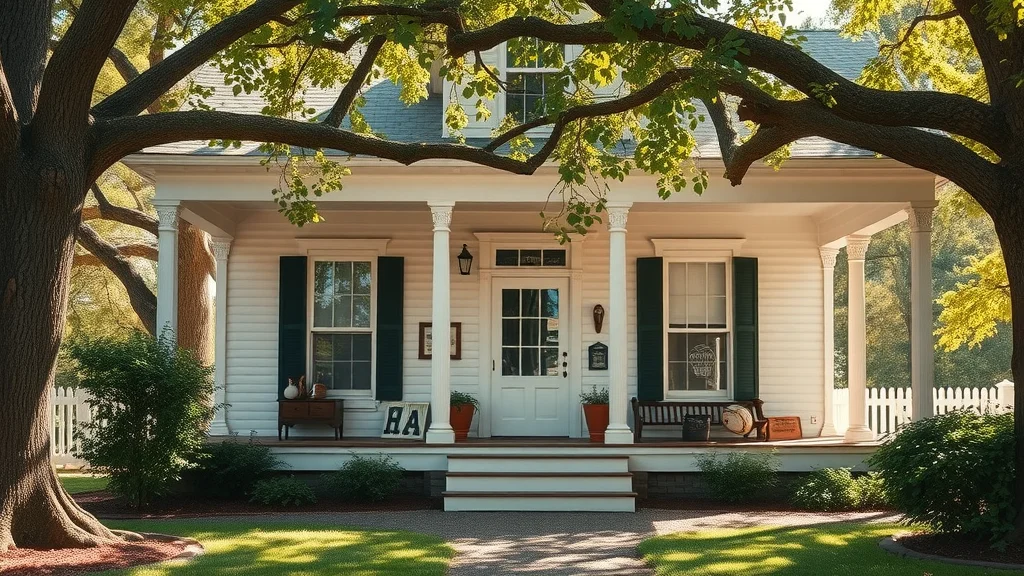
Greenville has produced a variety of prominent figures, but Shoeless Joe Jackson, the legendary baseball player, is arguably the most famous. Born and raised in the city, his story is inextricably linked with Greenville’s identity. Today, his childhood home is preserved as a museum, and his legacy draws thousands of visitors each year. Other notables include former Mayor Max Heller, whose leadership during times of downtown revitalization further shaped the welcoming spirit rooted in Pleasantburg history, and Bob Jones, founder of Bob Jones University, a key educational institution in the region.
What was the original name of Greenville, SC?
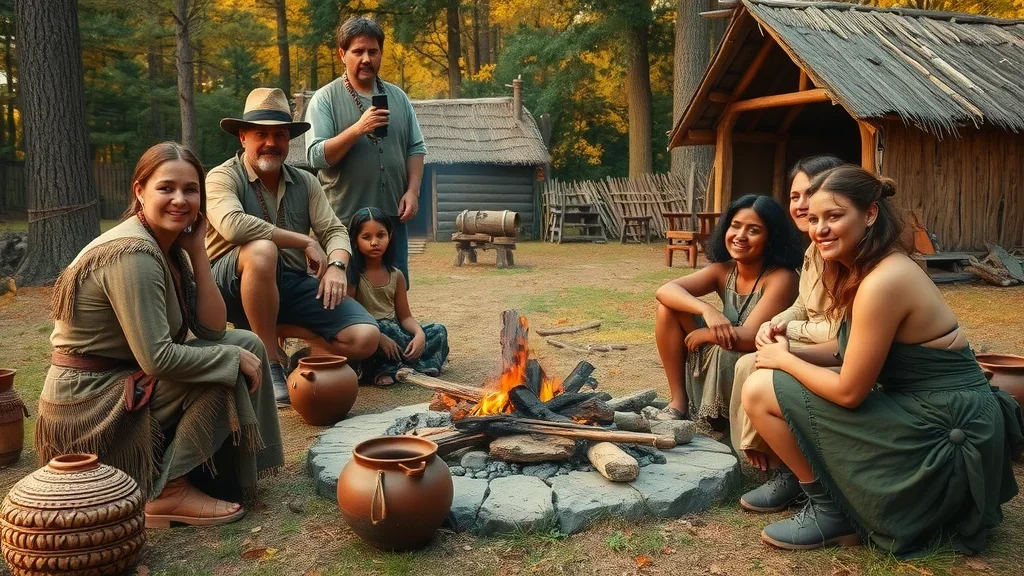
Before becoming Greenville, the area was known as Pleasantburg. This name, appearing on some of the community’s earliest land deeds, reflected the optimism and frontier hospitality that defined its first settlers. The term “Pleasantburg” lingered in official documents and on the lips of locals into the early 1800s, before the city officially adopted its new name. The spirit of Pleasantburg, however, continues to shape Greenville’s inclusive, ambitious culture.
What movie was filmed in Greenville, South Carolina?
One of Greenville’s most famous cinematic moments came with the filming of “Leatherheads” (2008), starring George Clooney. The city’s historic main street and West End provided the perfect setting for this period sports comedy, drawing crowds of both curious locals and movie fans. Greenville has also appeared in documentary features and TV news specials highlighting its story as South Carolina’s model of downtown revitalization, echoing the city’s persistent forward momentum since Pleasantburg days.
Honoring Pleasantburg History: Quotes from Local Historians and Residents
‘Every block in Greenville tells a piece of the Pleasantburg story—it’s not just history, it’s identity.’—Local historian, Sarah C. Jones
‘Greenville’s friendliness traces straight back to its origins. The city has always had an inviting energy.’—Downtown tour guide, Michael R.
Greenville, SC Founding on Screen: Spotlight on Films and Documentaries
Greenville’s cinematic moments have captured the city’s historic beauty and its unique blend of past and present. Downtown Greenville and neighborhoods like the West End have drawn filmmakers seeking authentic Southern flavor and a sense of story rooted in place. On screen, these backdrops become characters themselves—just as central to the narrative as any actor or event.
‘Leatherheads’ (2008)
Local Greenville documentary features
TV News specials on South Carolina’s oldest Main Street

Key Takeaways: The Lasting Echoes of Pleasantburg History on Greenville, SC Founding
Pleasantburg history laid the groundwork for modern Greenville’s spirit and infrastructure
The city’s warm welcome and optimism draw from its earliest days
Today’s landmarks still bear the marks of those origins
FAQs: Pleasantburg History and Greenville SC Founding
How did Pleasantburg’s transition to Greenville impact Greenville County?
The transition from Pleasantburg to Greenville galvanised the region’s growth, formalized county boundaries, and attracted early institutions like textile mills, the County Museum, and Furman University. This shift unified scattered settlements and created a nucleus for trade, education, and community life. Today’s Greenville County school district, downtown economy, and civic events all draw directly from this intentional, history-driven development.
Where can visitors see traces of the original Pleasantburg?
Visitors find Pleasantburg’s echoes throughout downtown Greenville—on the steps of the old county courthouse, in preserved blocks of Main Street and West End, inside Shoeless Joe Jackson’s house, and within the historic mill neighborhoods. These sites are lovingly maintained and frequently spotlighted in walking tours, realtor guides, and community celebrations, letting all experience a direct link to Greenville’s founding.
Has Greenville County always been this community-focused?
While Greenville County’s identity has evolved, its focus on community dates back to the earliest Pleasantburg days. Early settlers intentionally set aside land for schools, churches, and public meetings. The county’s willingness to embrace new people and new ideas remains a hallmark, visible in today’s open-door attitude and vibrant neighborhood life, regularly cited by city leaders like Mayor Max Heller and reinforced through historic events like world war II mobilization efforts at the local army air base.
A Walk Into the Present: The Living Legacy of Pleasantburg History in Greenville
Each time you stroll through Greenville’s revitalized downtown, admire historic neighborhoods, or join in the city’s festivals, you’re living Pleasantburg history firsthand. The street grid, welcoming porches, and bustling arts scene aren’t just signs of progress—they’re daily reminders that the city’s frontier spirit and boundless optimism are alive and well.
Explore More Stories That Reveal Where Greenville’s Story Truly Began
Curious to dive deeper? Explore more stories that reveal where Greenville’s story truly began. Discover the personalities, turning points, and enduring places that keep Pleasantburg’s legacy thriving in every corner of this remarkable city.
Conclusion
Pleasantburg history isn’t just a page in South Carolina’s storybook. It’s the living, welcoming heartbeat of Greenville. As the city grows, its founding optimism and neighborly spirit endure—inviting all to belong.
If the story of Pleasantburg’s transformation into Greenville has sparked your curiosity, there’s a wealth of insight waiting in the broader tapestry of Upstate life. From the evolution of neighborhoods to the practicalities of homeownership and community building, Greenville Upstate Life Media offers a window into the trends, stories, and local expertise that shape the region today. Take your exploration further and discover how the area’s rich heritage continues to inspire new generations—visit Greenville Upstate Life Media for more in-depth guides, local spotlights, and advanced tips for making the most of life in this vibrant community.

Write A Comment