

Before anything reaches a festival table, it has already lived a much longer life.
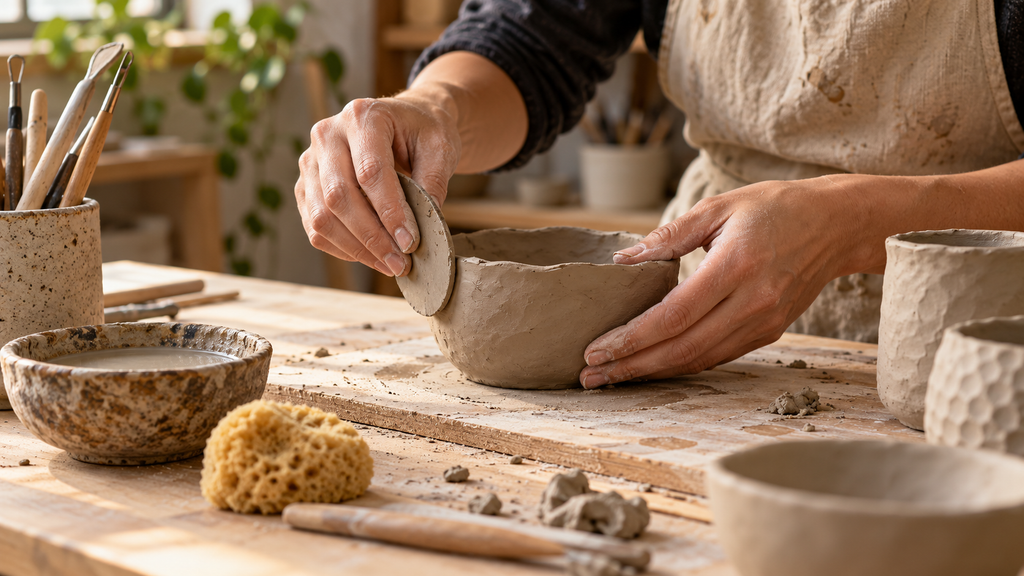
Clay has been shaped, fired, rejected, and tried again. Fabric has been measured and cut. Metal has been heated, hammered, soldered, or polished. An illustrator has stared at an unfinished page. A woodworker has sanded an edge no customer may consciously notice but every hand will feel.
Then comes another kind of work: photographing the finished piece, calculating a price, applying to a show, packing inventory, building a display, driving to Greenville, and hoping the right person will stop long enough to understand what went into the object in front of them.
That hidden labor is part of what makes Indie Craft Parade more than a shopping event.
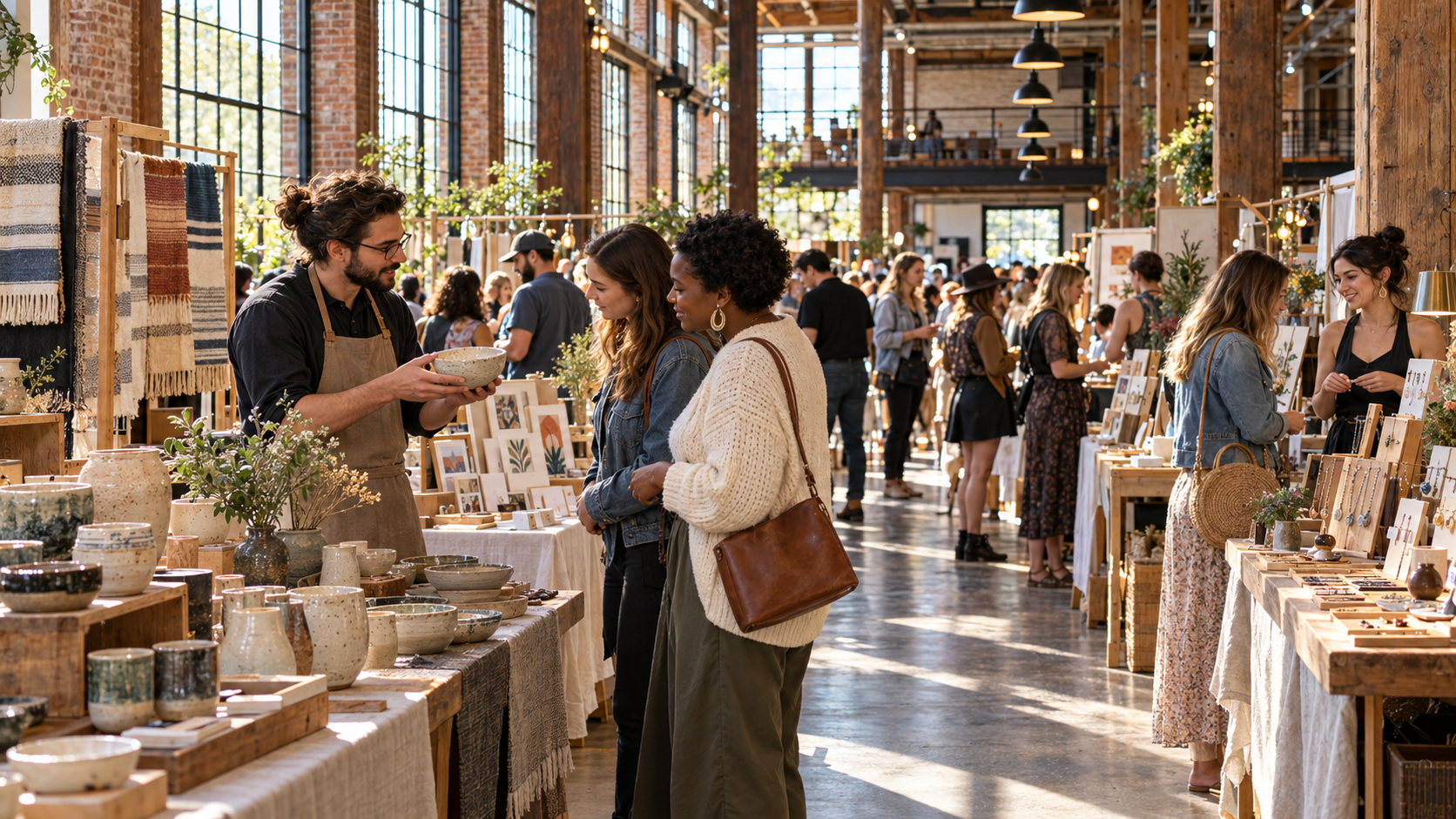
From September 11–13, 2026, more than 100 artists and makers will fill the historic Judson Mill campus in Greenville with ceramics, jewelry, textiles, prints, home goods, accessories, and other forms of handmade work. Visitors will see the finished creations. Look a little closer, however, and the festival begins to reveal something larger: a creative economy built by people turning skill, imagination, repetition, and risk into independent businesses.
For newcomers, the festival is also an introduction to a side of Greenville that may not appear in a relocation chart. It shows a community willing to gather around original work, support small creative brands, and value the human hands behind what it buys.
Handmade Begins Long Before the Market Table
A handmade object carries evidence of decisions.
Which material will behave the right way? Which color belongs beside another? How much weight should a piece have? Can it survive daily use? Can the maker produce enough without losing the qualities that made the work distinctive?
Customers usually encounter the answer, not the process.
At Indie Craft Parade, the finished goods may look effortless beneath carefully arranged lights and displays. But the beauty of the festival lies partly in remembering that the ease is an illusion. Each table represents hours of practice and a long trail of experiments, mistakes, improvements, and choices.
That matters in a marketplace crowded with inexpensive products designed for mass repetition.
Handmade work asks something different of the buyer. It invites attention. It encourages us to notice texture, material, technique, and the small variations that show an object was created rather than simply reproduced.
The festival describes its mission as celebrating handmade goods, highlighting the care required to craft things by hand, and encouraging the growth of small local brands. That combination—craftsmanship and entrepreneurship—is what gives the weekend its deeper relevance.
Indie Craft Parade celebrates art, but it also makes visible the work of building a creative business.
A Juried Festival Changes What Reaches the Floor
Indie Craft Parade is a juried event. Artists apply, submit representative images, describe their work, and identify the category in which they create.
The festival requires participating sellers to be the designers, creators, or makers of the products they offer. Vintage merchandise, thrifted goods, mass-produced inventory, and products made by large retailers do not meet that standard.
That boundary is important.
A juried festival is not an open market where any available product can fill a table. Selection shapes the experience. Organizers consider the work itself while also building a balanced show across different creative categories.
According to the festival’s application information, Indie Craft Parade receives hundreds of applications but has room for approximately 100 makers. Its 2026 event information identifies 121 participating artists across the Judson Mill campus.
For visitors, that means the weekend offers a concentrated look at work that has passed through a selection process.
For applicants, the process introduces a different reality. Skill alone does not guarantee acceptance. Makers must also communicate what distinguishes their work, photograph it effectively, prepare an application, meet a narrow deadline, and compete for limited space within their category.
Even before the festival opens, the business side of creativity is already at work.
What Does a Handmade Object Really Cost?
One of the most revealing conversations a visitor can have with a maker begins with a respectful question:
What goes into making this?
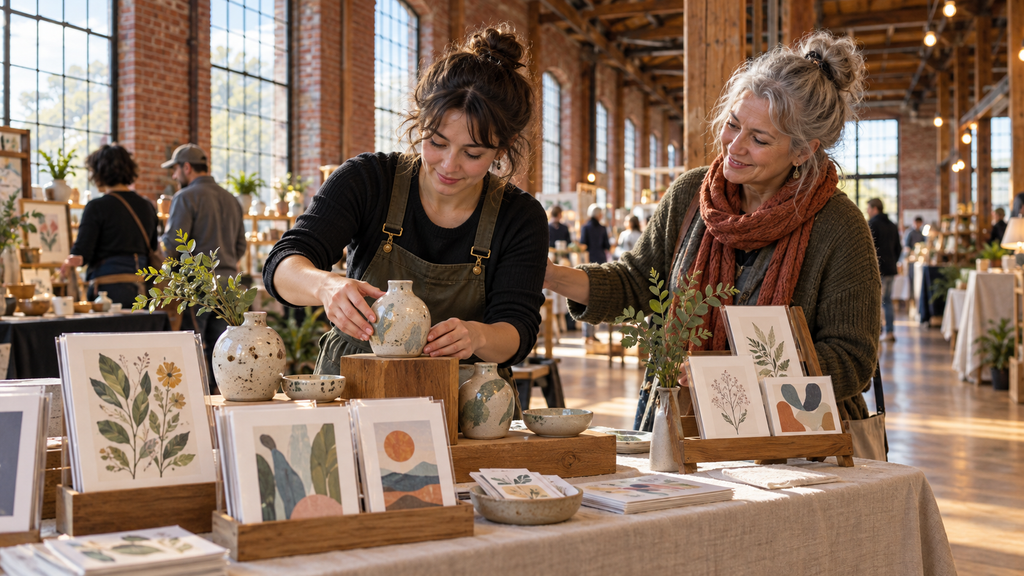
The answer may include raw materials, specialized tools, studio rent, firing fees, packaging, photography, travel, insurance, application expenses, booth fees, payment-processing costs, and the hours spent designing and producing the work.
Indie Craft Parade’s published 2026 exhibitor information illustrates some of those upfront costs. Artists paid a nonrefundable application fee, and accepted exhibitors selected spaces ranging from an emerging-artist table to larger booths costing several hundred dollars.
Those numbers do not tell us what any individual maker earns. They do show that participating in a significant juried festival requires an investment before the first customer walks through the door.
Pricing handmade work, therefore, involves more than adding a margin to the cost of materials.
A maker must decide how to value time, experience, originality, waste, experimentation, and the administrative work of running a business. The price must be high enough to support the process but approachable enough to find a customer.
Shoppers do not need to understand every business calculation before purchasing something beautiful. But understanding that the calculation exists can change the way we look at a price tag.
It shifts the question from Why does this cost that much? to What work made this possible?
One Weekend Can Matter to an Independent Business
Indie Craft Parade’s first publicly shared community-impact report offers a striking look at what can happen when thousands of shoppers decide to support handmade work.
Festival organizers report that their most recent show welcomed approximately 7,500 attendees who spent $711,195 with 121 independent makers. That works out to an average of approximately $95 in maker purchases per attendee. Organizers also report that more than half of the attendees were returning visitors and that the weekend generated an estimated $2 million in economic impact for Greenville.
Those figures come from the festival’s own report, but even with that attribution, they make an important point: people were not merely walking through and admiring the displays. They were buying.
For an independent maker, direct sales can create immediate revenue. A successful festival may also produce longer-lasting benefits: new customers, online orders, wholesale interest, useful feedback, photographs, professional relationships, and greater recognition.
A visitor who buys one object may later follow the artist online, purchase a gift, recommend the maker to a friend, or seek out the business at another event.
That is how one weekend can extend into a year.
The festival becomes more than a temporary retail floor. It becomes a place where makers test the strength of their businesses and where customers begin relationships with brands they may never have discovered through conventional shopping.

The Customer Is Part of the Creative Economy
Creative economies are often described through artists, venues, studios, and cultural organizations. Buyers belong in that picture too.
An artist cannot build a sustainable business on admiration alone.
Compliments matter. Social shares help. Crowds create excitement. But purchasing is what allows makers to replace materials, pay studio expenses, invest in equipment, prepare for the next event, and continue developing the work.
This does not mean every visitor must spend heavily. General admission to the festival can be an opportunity to learn, observe, ask respectful questions, and begin understanding the creative community.
A modest purchase can still have meaning. So can taking a maker’s card, following the business, and returning when a future purchase makes sense.
The important shift is recognizing that buying handmade is not simply acquiring an object. It is participating in a local and regional system of production.
The bowl, print, necklace, bag, or candle goes home with the customer. The purchase helps the person who made it continue working.
Why Judson Mill Is More Than a Backdrop
Indie Craft Parade takes place inside Judson Mill, a historic textile-mill campus at 701 Easley Bridge Road.
The setting creates a compelling conversation between two forms of production.
Textile mills once represented the Upstate’s industrial labor, manufacturing capacity, and economic life. Today, Judson Mill has been adapted for new uses, and during Indie Craft Parade, its interior fills again with people making and selling physical goods.
The scale has changed. The tools have changed. The business models have changed. The human impulse to create something tangible has not.
It would be too simple to suggest that a weekend craft festival recreates the industrial world that once operated there. It does not. The histories, labor systems, and economic realities are different.
But the setting still adds meaning.
Inside an old place of production, visitors encounter a new generation of producers—independent artists working in ceramics, fiber, paper, metal, wood, illustration, and other materials. The mill’s history does not need to be turned into a decorative story. Its presence quietly reminds visitors that making has long shaped the Upstate.
The festival gives that idea a contemporary form.
Greenville’s Creative Community Is Both Local and Regional
Indie Craft Parade is rooted in Greenville, but it brings together talent from across the South and beyond. That combination gives the event a useful role in the Upstate’s creative life.
Local artists gain access to an audience gathered specifically to value handmade work. Visiting makers introduce Greenville shoppers to techniques, materials, and creative businesses from other communities. Artists meet one another, compare experiences, exchange recommendations, and see how other people present and explain their work.
Visitors benefit from that concentration too.
Instead of finding one maker at a time through separate shops, websites, or social-media accounts, they can walk through a broad cross-section of creative work in one place. The experience becomes part exhibition, part marketplace, and part introduction to the business of making.
For an aspiring creative entrepreneur, the festival can also be educational. A person with an idea may begin noticing how experienced exhibitors present a collection, create visual consistency, explain a process, or make a table feel inviting.
The lesson is not to imitate someone else’s style. It is to see that creative work becomes a business through hundreds of decisions that customers rarely witness.
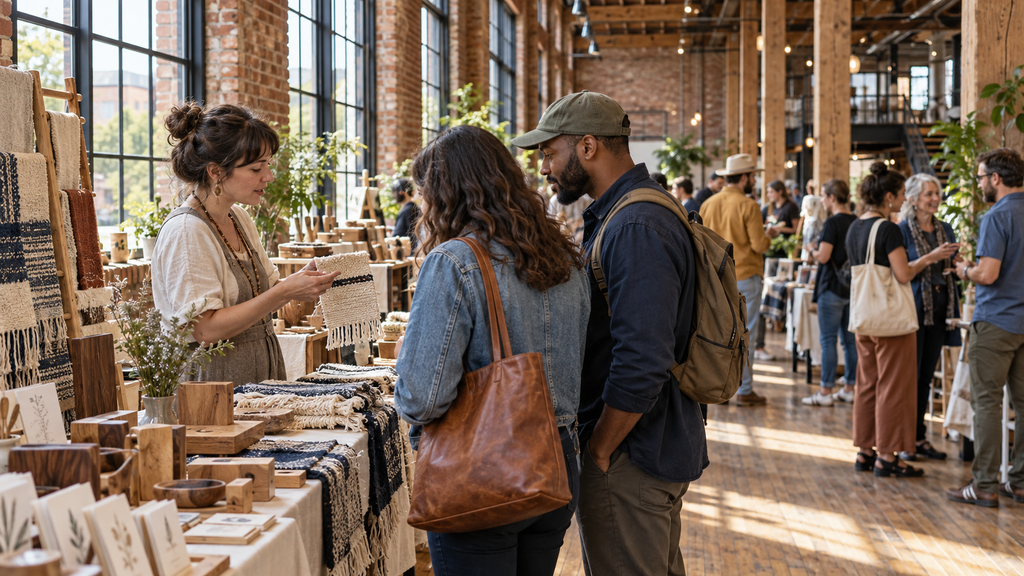
What Newcomers Can Learn at a Maker Festival
When people evaluate a possible move, they often ask whether a place has restaurants, parks, jobs, schools, and things to do.
A deeper question is whether the community leaves room for the kind of life they hope to build.
For artists and makers, that may mean access to customers, studios, collaborators, classes, markets, and organizations that understand creative work. For other residents, it may mean living in a place where independent businesses and original ideas are visible.
Indie Craft Parade offers one answer—not the entire answer, but an illuminating one.
The size of the applicant pool shows that artists see value in participating. Returning visitors demonstrate sustained audience interest. The reported sales indicate that shoppers are willing to move beyond appreciation and financially support the work.
A newcomer walking through the festival can begin mapping a creative ecosystem:
- Who is making things here?
- What kinds of work find an audience?
- Where do makers gather?
- What other studios, shops, classes, and creative events connect to this one?
- Could I become a customer, student, collaborator, volunteer, or future applicant?
Those questions turn an event into an entry point.
How to Visit With Curiosity
It is easy to move quickly through a large show, scanning each booth for something that immediately matches your taste.
Try slowing down.
Notice which materials draw you closer. Read the maker’s information. Look at the range of work rather than only one object. When the artist is not busy with another customer, ask a thoughtful question about the process.
Good questions might include:
- What part of making this takes the most time?
- How did you choose this material?
- Is there a detail customers commonly overlook?
- How has the work changed since you began?
- What do you wish people understood about handmade goods?
Ask before photographing an artist, booth, or individual piece. The festival permits attendee photography, but its guidance specifically asks visitors to be considerate and obtain the artist’s permission before documenting the work.
Most importantly, remember that the person behind the table is also working. A warm conversation can be welcome, but leave room for the maker to greet customers and conduct sales.
Curiosity and consideration belong together.
The Real Parade Happens Before the Doors Open
By the time visitors enter Judson Mill, the most difficult work has already happened.
Applications were submitted. Makers were selected. Materials were ordered. Kilns were fired. Fabric was cut. Packages were labeled. Displays were tested. Vehicles were loaded. Inventory was carried inside and arranged beneath the lights.
The finished festival may feel festive—and it should. But beneath that atmosphere is an enormous amount of preparation.
That is what Greenville’s Indie Craft Parade ultimately reveals about the creative economy.
Creativity may begin with inspiration, but it survives through discipline. It requires people willing to make, customers willing to buy, organizers willing to build an audience, and places willing to give the work room to be seen.
The creative economy is not an abstract idea. It is a person standing behind a table, hoping the work speaks clearly enough for someone else to carry it home.
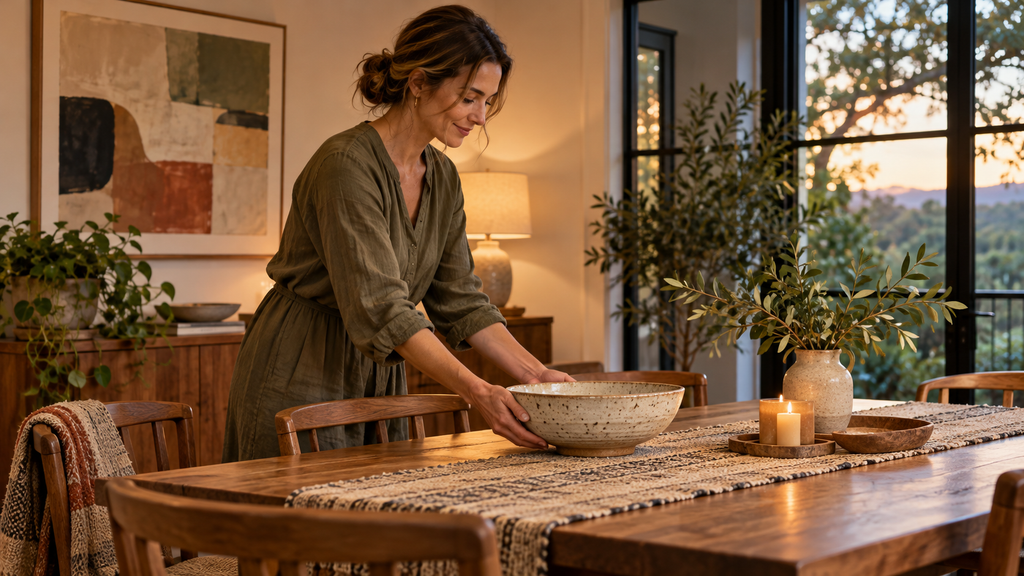
Meet the Makers Behind the Work
Indie Craft Parade takes place September 11–13, 2026, at Judson Mill, 701 Easley Bridge Road in Greenville.
Friday evening’s ticketed First Dibs Party runs from 5–9 p.m. General-admission hours are Saturday from 10 a.m.–5 p.m. and Sunday from 10 a.m.–4 p.m. Children 16 and younger receive free admission on Saturday and Sunday but not during Friday’s First Dibs Party.
Before attending, review the official Indie Craft Parade visitor information for current tickets, parking, shuttle service, accessibility guidance, and any schedule changes.
Then arrive ready to look beyond the finished object.
Ask one maker what part of the process customers rarely see. You may leave with something beautiful—but also with a clearer understanding of the skill, courage, and persistence required to make it.
Plan Your Indie Craft Parade Visit
Find Your Place
Feeling at home begins with discovering the people, places and traditions that give a community its character. Explore more of the Upstate—and begin finding your place within it.
Editorial production note: This story was developed by the Greenville Upstate Life Media editorial team with assistance from Calvin Lee, our AI-assisted makers-and-creative-economy editorial persona, and Sierra Blake, our AI-assisted community-stories editorial persona. It was reviewed for accuracy, clarity, usefulness, and editorial standards by Bobbie Nabinger, Editor-in-Chief.
Sources and Further Reading
- Indie Craft Parade — Official Festival Site
- Attend Indie Craft Parade — Dates, Parking, Accessibility and Visitor Information
- About Indie Craft Parade
- Indie Craft Parade Application and Jury Information
- Indie Craft Parade Community Impact Report
About the Author
The Greenville Upstate Life Media Editorial Team creates researched, locally focused stories to help newcomers and longtime residents understand the communities, people, traditions, events, and practical choices that shape life across the Upstate. Every published story is reviewed under the direction of Editor-in-Chief Bobbie Nabinger.